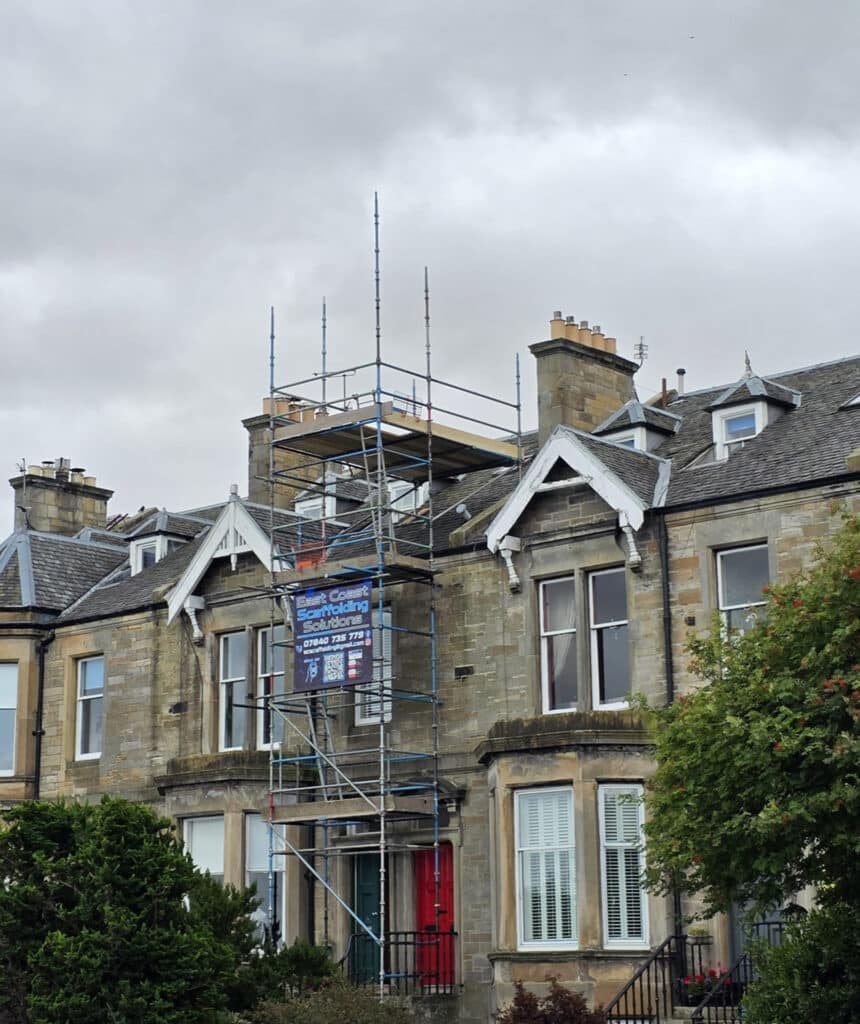
- Scaffolding and working platforms for telecoms infrastructure
- Access for new installations, upgrades, servicing and maintenance
- Temporary access for urgent repairs following storms and adverse weather
Telecommunications & Data Tower Scaffolding
Temporary Access For Telecoms Infrastructure
Telecommunications equipment is frequently installed in locations where conventional access is difficult. Rooftops, tower bases, elevated antenna positions, equipment compounds and supporting structures can all require temporary working platforms when engineers need more space or stability than their normal access arrangements provide.
East Coast Scaffolding can provide scaffolding for telecommunications contractors carrying out installation, replacement, inspection and repair work across Edinburgh and surrounding areas.
Our access solutions can support:
- Antenna installations and replacement programmes
- Telecommunications mast maintenance and structural repairs
- Rooftop telecoms equipment installation and servicing
- Cable and equipment upgrades around elevated infrastructure
- Temporary working platforms around difficult access points
- Emergency repair access following weather-related damage
Not every telecommunications structure requires the same type of scaffold. Some projects need a compact platform around one working area, while others require more substantial access around supporting steelwork, rooftop equipment or associated buildings.
We assess what the engineers actually need to reach and build the temporary access around the task rather than applying the same arrangement to every telecoms site.
Scaffold Platforms For New Telecoms Installations
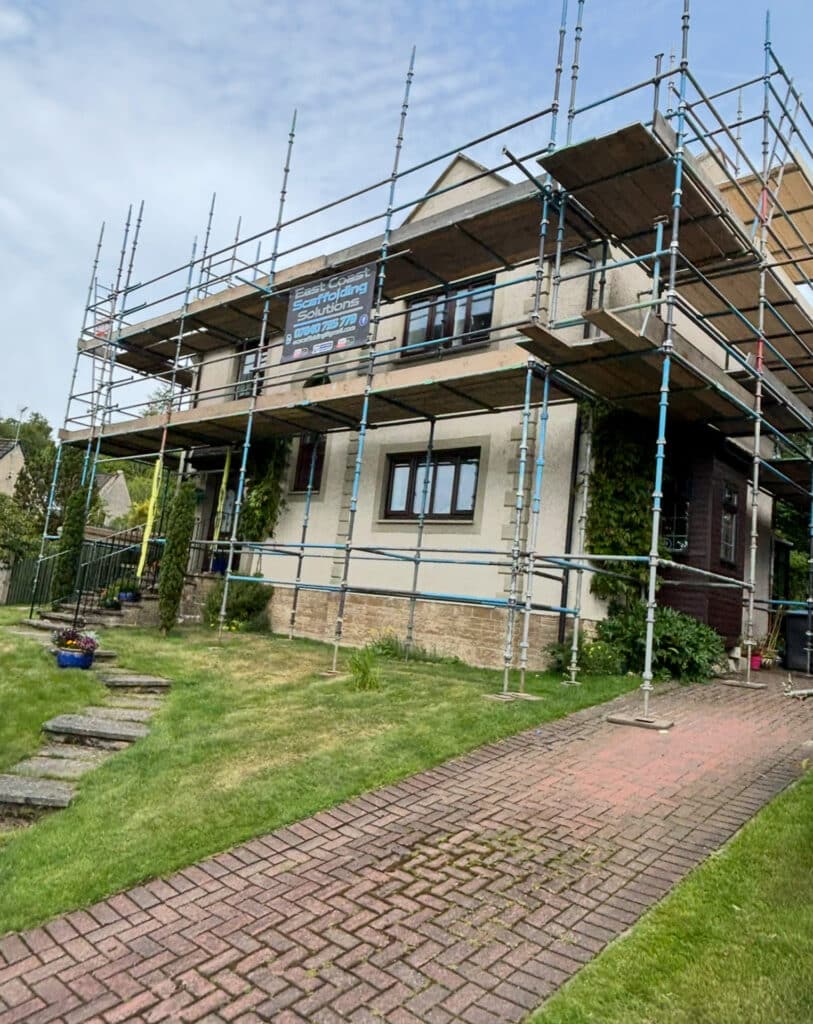
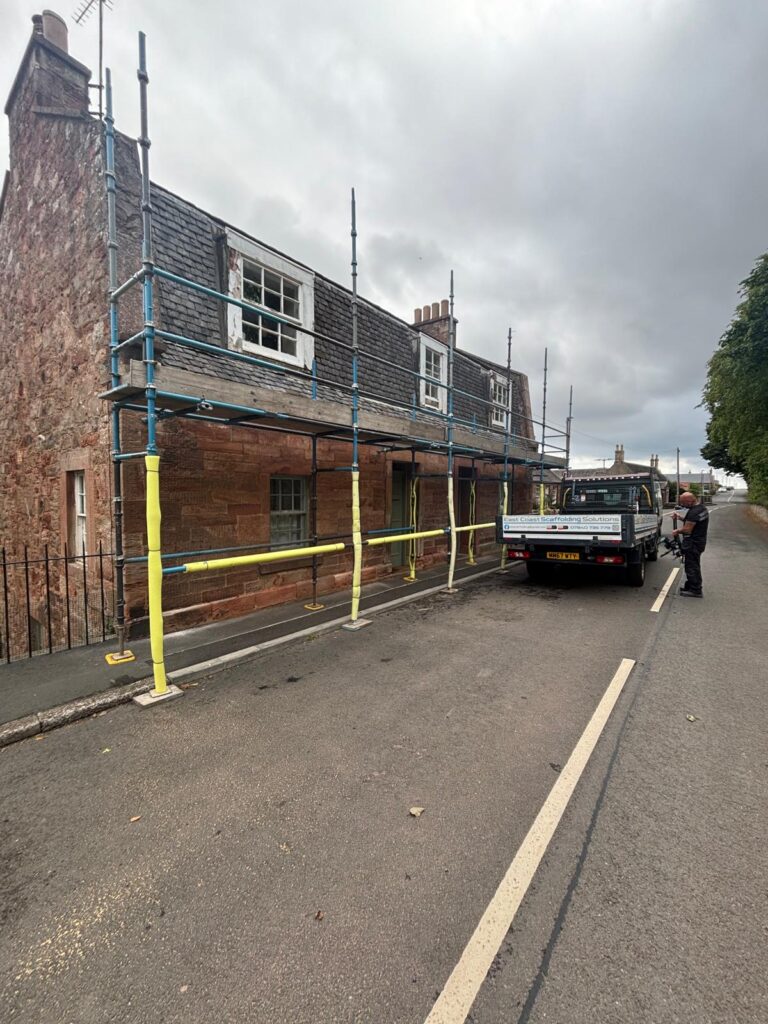
Expanding network infrastructure can involve installing antennas, transmission equipment, cables and supporting components at locations that were not originally designed around straightforward contractor access.
A temporary scaffold platform can create a larger, more practical working area for technicians and installation teams.
Scaffolding may be useful for:
- New rooftop antenna installations
- Installation of supporting frames and steelwork
- Replacement or additional telecoms equipment
- Cabling and associated infrastructure work
- Access around equipment compounds and elevated structures
The platform height and dimensions can be determined around the equipment being installed and the space contractors require to complete the work.
Where several installation stages are involved, the scaffold can also be altered as the project progresses so that the working area continues to suit the next phase rather than remaining fixed around the initial task.
Access For Servicing, Upgrades & Repairs
Telecommunications infrastructure requires ongoing inspection and maintenance throughout its service life.
Equipment can be upgraded as networks develop, structural components may need attention and exposed installations can deteriorate through weathering.
Temporary scaffold access can give specialist contractors a secure platform from which to carry out these works where other access methods are unsuitable.
Telecommunications technology continues to change, which can require existing sites to receive new or replacement equipment. Scaffold platforms can provide additional working space around antennas, support structures and rooftop installations during upgrade programmes.
Supporting steelwork, brackets, frames and associated structures can require inspection, repair or protective treatment. Temporary access can be positioned around the relevant components so engineers and maintenance contractors have a suitable area from which to work.
Telecommunications equipment is commonly located on commercial and residential roofs. Scaffolding may be required to reach the rooftop itself, provide edge protection or create dedicated platforms around equipment where the existing building layout does not provide suitable access.
Telecoms installations can occupy compact compounds or difficult sections of existing properties. Access requirements need to consider fences, neighbouring equipment, buildings, ground conditions and any areas that must remain available to network engineers.
High winds, storms and other adverse weather can damage external equipment or supporting structures. Where engineers require urgent temporary access to investigate or repair a fault, our emergency scaffolding service can support the recovery work where scaffolding is an appropriate access solution.
Tell us which part of the telecommunications installation needs to be reached, the approximate working height and the type of work being undertaken. We can use this information alongside a site assessment to determine an appropriate temporary access arrangement.
Scaffolding Following Storm & Weather Damage
Telecommunications infrastructure can be particularly exposed to weather because antennas, masts and associated equipment are often positioned at height and in open locations.
Strong winds and storms can result in damaged equipment, loosened components or problems with the surrounding building or supporting structure.
Temporary scaffold access may be required for:
- Inspection of damaged rooftop installations
- Repair or replacement of antenna equipment
- Access around damaged supporting frames
- Building repairs affecting a telecommunications site
- Temporary platforms for recovery contractors
The first requirement after an incident may simply be safe access for inspection. Once engineers understand the extent of the damage, the scaffold may need to be altered or extended to support the permanent repair.
This means emergency telecoms scaffolding needs to remain flexible enough to follow the recovery process rather than assuming the full repair requirement will be known from the outset.
Where a telecommunications site remains operational, scaffolding activity should also be coordinated with the operator or project team so the temporary works do not unnecessarily interfere with equipment or authorised access.
Purpose-Built Working Platforms For Telecoms Engineers
The value of scaffolding on a telecommunications project is often the working space it can create.
Engineers may need access to more than one component at the same height, tools may need to be used for extended periods and replacement equipment can require space that a ladder or narrow access route cannot provide.
A scaffold platform can be configured around the work location so technicians have an appropriate area in which to carry out installation, inspection or repair tasks.
This is particularly useful where telecoms equipment is mounted on an existing building. Rooftop sites can include antennas, steelwork, cabinets, cable routes and other infrastructure within a relatively small area. The underlying roof may also contain plant, parapets and architectural features that limit normal movement.
Temporary scaffold structures can provide access from ground level, around roof edges or directly beside the required equipment depending on the site.
Tower and mast projects present different challenges. The height and form of the structure may mean scaffolding is appropriate only for a particular section, base area or working level rather than the entire tower. The proposed arrangement therefore needs to reflect the structure and the specific task.
Installation teams may require temporary platforms while new supporting steelwork is assembled. Maintenance contractors can need access around bolts, brackets or external components. Painting and corrosion-protection works may require another configuration again.
Loading also matters. A platform intended primarily for personnel and hand tools can have different requirements from one involved in the installation of heavier components or materials. These requirements should be established before the scaffold is designed and erected.
Access arrangements can also change during telecoms upgrades. Existing equipment may first need to be disconnected or removed before new components are installed and commissioned. Controlled scaffold alterations allow the temporary works to follow these stages where required.
For longer projects, the scaffold should remain subject to the appropriate inspection and management arrangements throughout its use. Any required changes should be carried out by the scaffolding contractor rather than unauthorised modifications being made by other trades.
When installation, testing or repairs are complete, dismantling can be coordinated with the telecommunications contractor and site operator.
East Coast Scaffolding provides scaffold structures and temporary platforms for telecommunications projects throughout Edinburgh and surrounding areas. Contact our team with details of the mast, tower, rooftop installation or other infrastructure and we can discuss the access required.