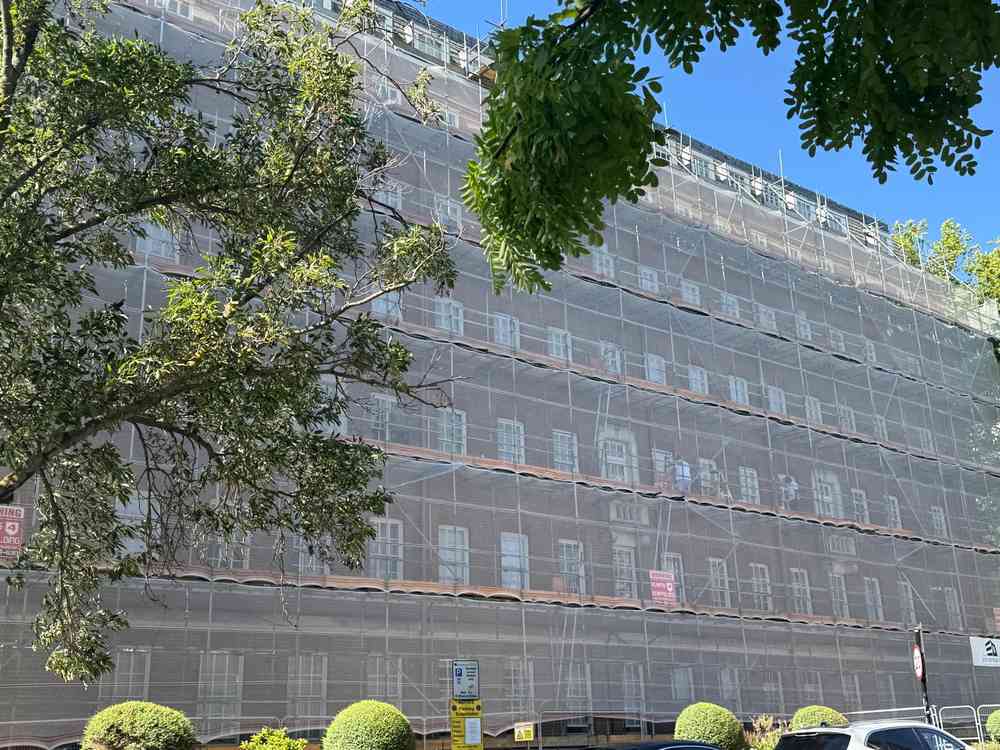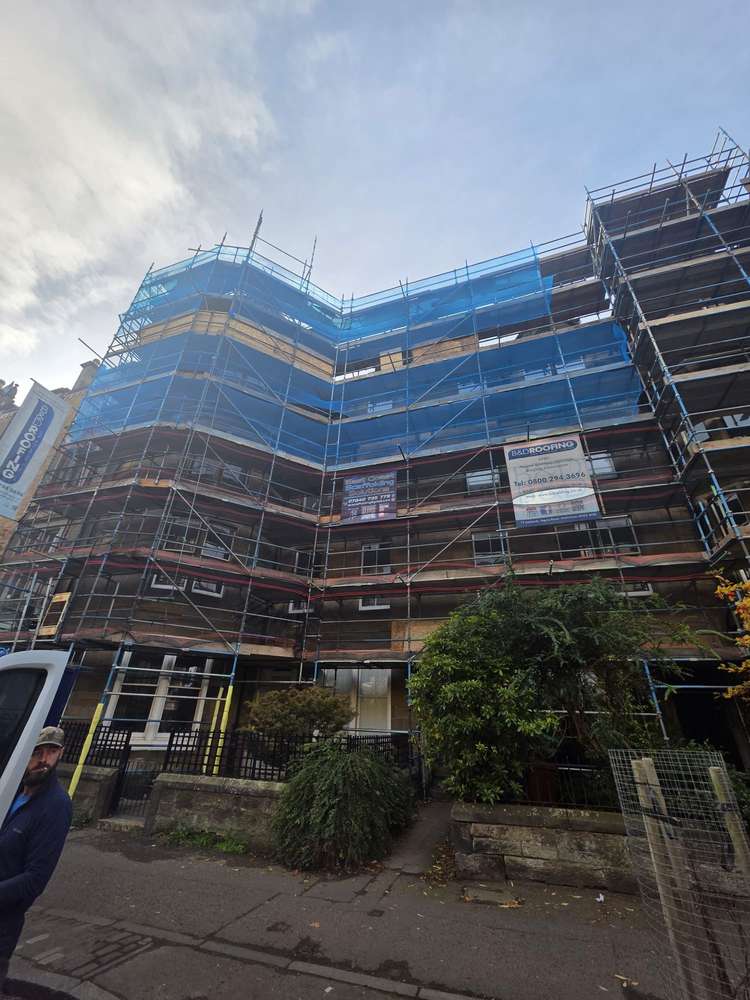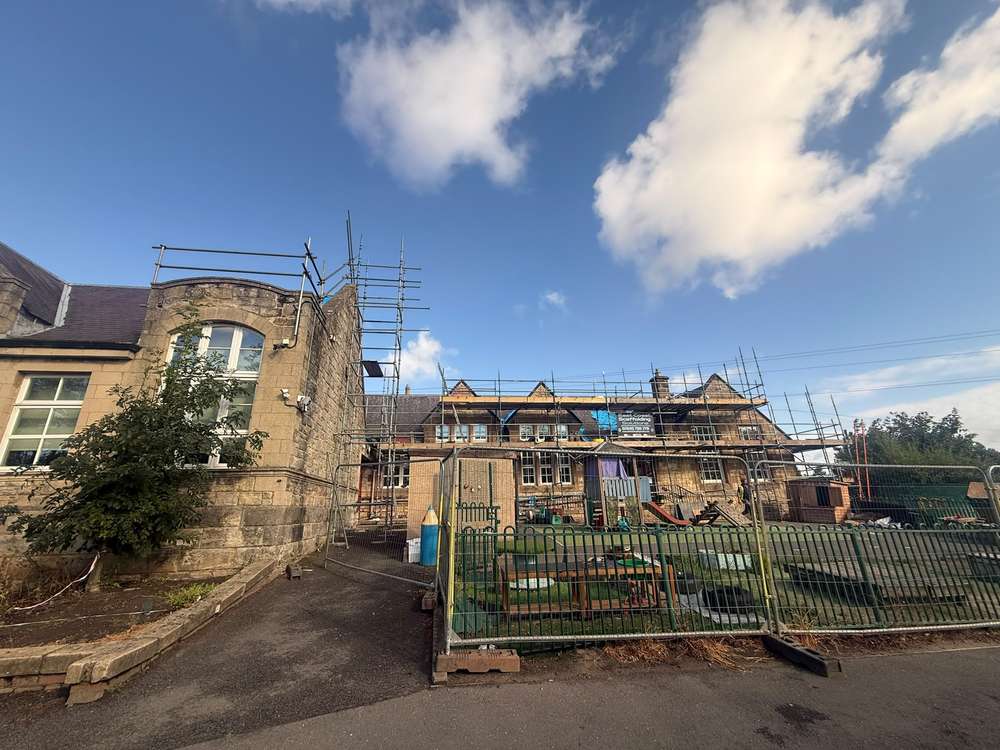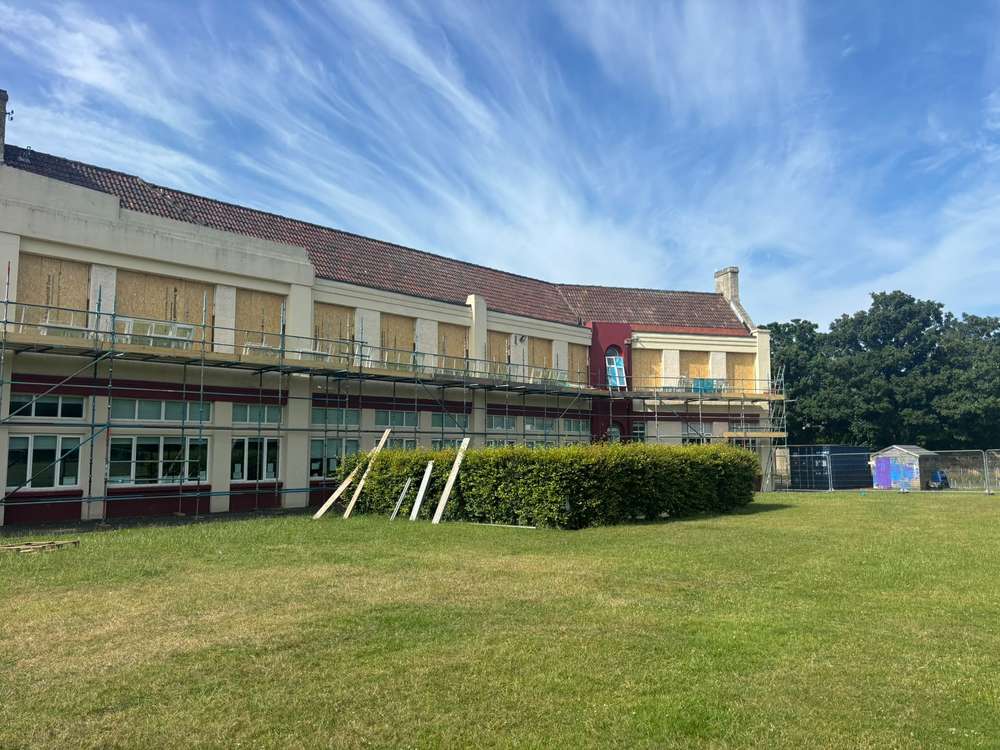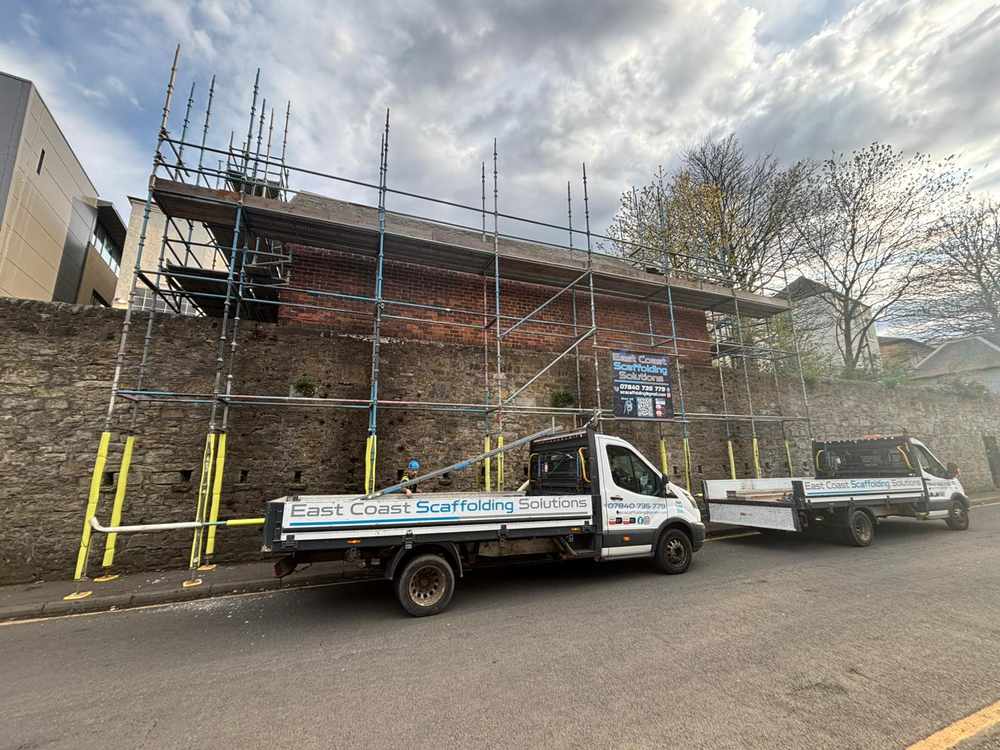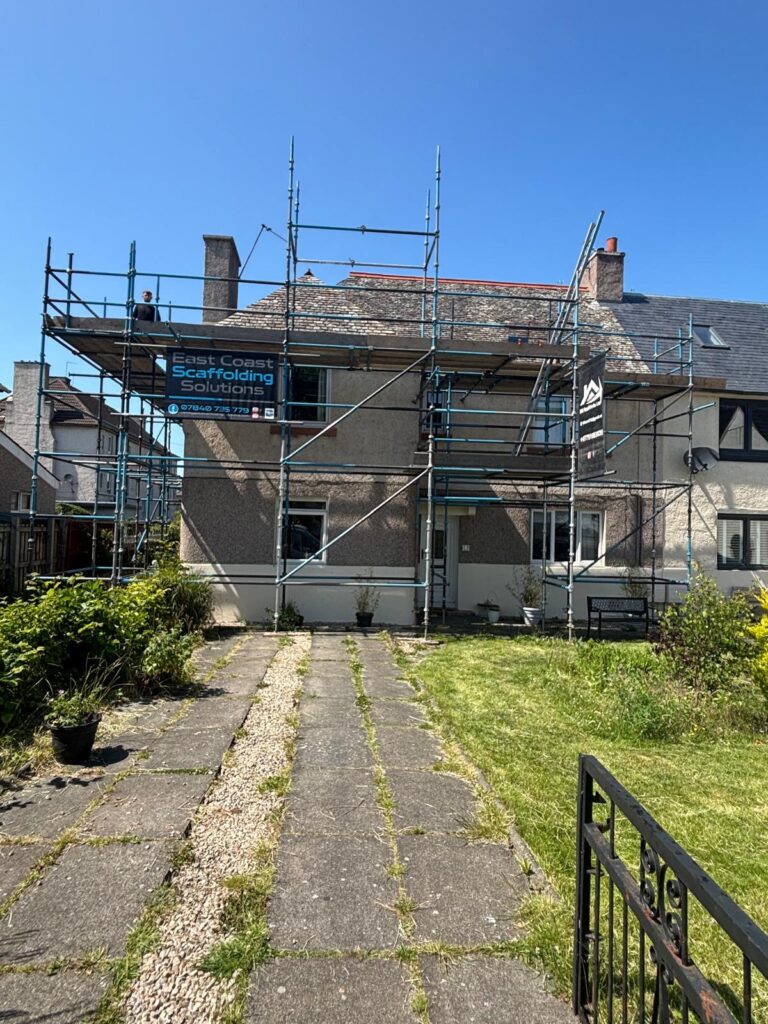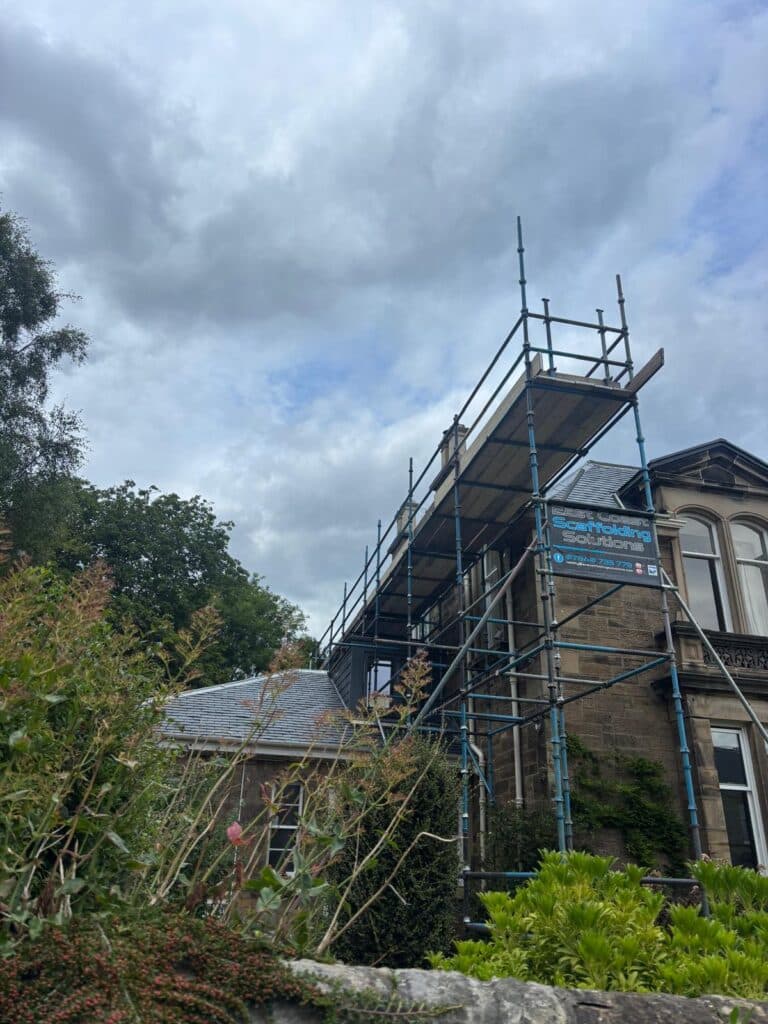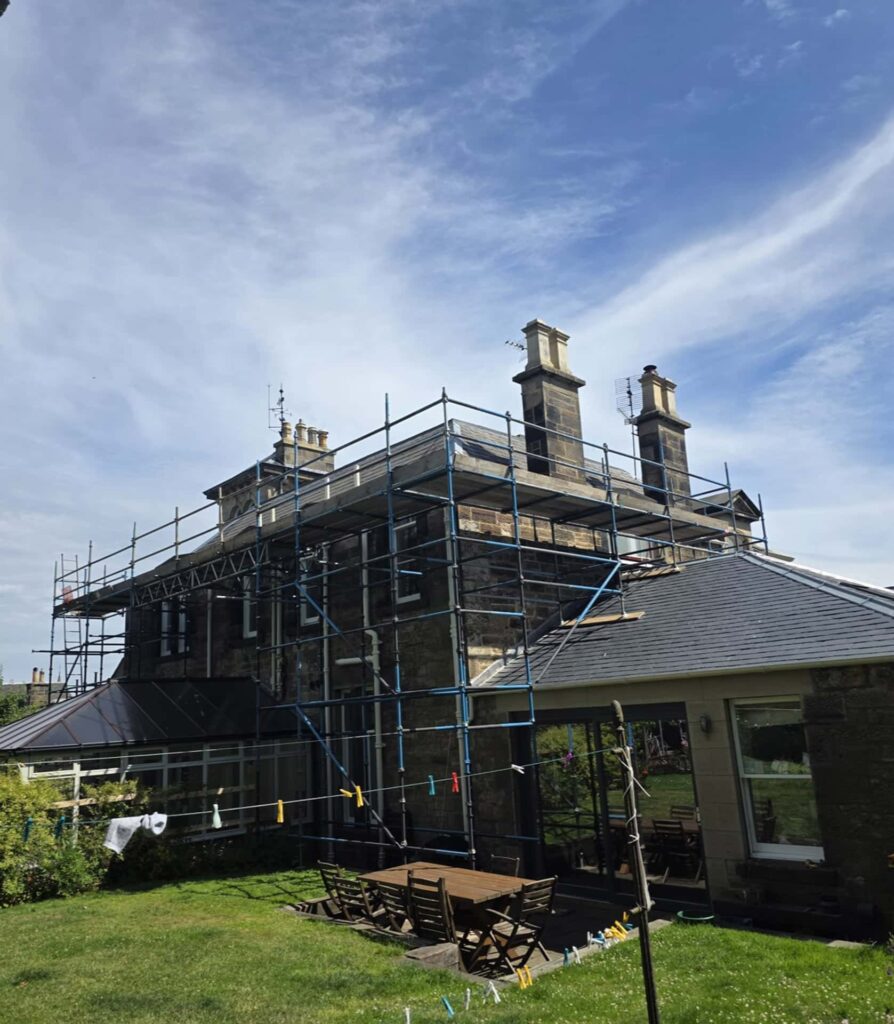
System scaffolding has become one of the most widely used access solutions across modern construction. Whether you’re involved in residential building, commercial development, industrial maintenance or infrastructure work, you’ve likely seen modular scaffold systems in action.
If you’re new to the industry, understanding how system scaffolding works—and how it differs from traditional tube-and-fitting scaffolding —is essential. This guide breaks down the fundamentals, explores the different types available, and explains where and why it’s commonly used.
Why Understanding System Scaffolding Matters
Construction has evolved significantly over the past few decades. Projects move faster, safety standards are stricter, and efficiency is more important than ever. As a result, scaffolding systems have also advanced.
System scaffolding was developed to improve speed, consistency and safety compared to traditional methods. Because it uses pre-engineered components that lock together in a set configuration, it reduces guesswork during erection and dismantling. This makes it especially useful on large sites where time, labour and safety control are critical.
For beginners, system scaffolding can initially seem complex due to the different locking mechanisms and configurations. However, once you understand its core principles, it becomes clear why so many contractors prefer it for repetitive or large-scale builds.
By the end of this guide, you’ll have a solid understanding of what system scaffolding is, how it works, its advantages, and where it’s most effectively used.
What Is System Scaffolding?
System scaffolding is a modular scaffolding solution made from pre-manufactured components designed to connect at fixed points. Unlike traditional tube-and-fitting scaffolding, which relies on individual tubes connected with separate couplers, system scaffolding integrates connection points directly into the vertical standards.
At its core, a system scaffold consists of:
- Vertical standards (uprights)
- Horizontal ledgers
- Diagonal braces
- Pre-formed connection nodes
- Integrated decking or platforms
- Guardrails and toe boards
The defining feature is the node or rosette connection point built into the vertical standard. These nodes allow horizontal and diagonal components to lock into place quickly and securely at predetermined intervals.
Most system scaffolding is manufactured from galvanised steel for durability and corrosion resistance, although aluminium versions are also available for lighter-duty applications.
Because components are factory-engineered, they offer consistent dimensions and predictable load capacities, making structural planning more straightforward.
How System Scaffolding Works
Understanding how system scaffolding functions is easier when you break it down into its structural logic.
Core Framework
The framework begins with vertical standards positioned at regular intervals. These standards have fixed connection points spaced at set distances, typically every 500mm or similar intervals, depending on the system.
Horizontal ledgers connect between the standards, forming rigid bays. Diagonal braces are then added to provide lateral stability and prevent sway.
Locking Mechanism
The key advantage of system scaffolding lies in its locking mechanism. Instead of tightening multiple loose couplers, components slot into the integrated node and are secured using wedges, cups or locking pins, depending on the system type.
This speeds up assembly while maintaining structural integrity.
Load Distribution
Weight from platforms, workers and materials transfers through the ledgers into the vertical standards and down to the base plates or sole boards. Because the system is engineered with fixed geometry, load paths are predictable and easier to calculate.
Platform Integration
Many systems include purpose-built steel decks or aluminium platforms that hook directly onto ledgers. Guardrails and edge protection components are also designed to fit seamlessly into the structure, improving safety consistency.
System Scaffolding vs Traditional Tube and Fitting
Both systems remain widely used, but they serve slightly different purposes.
Flexibility
Traditional tube-and-fitting scaffolding offers maximum adaptability. It can be shaped around complex structures, irregular buildings and unusual geometries with relative ease.
System scaffolding, while still versatile, works best within its engineered configuration.
Speed of Assembly
System scaffolding is significantly faster to erect and dismantle. Fewer loose fittings mean less time spent tightening couplers and checking alignment.
Consistency
Because system components are manufactured to uniform standards, builds are more consistent across different projects and teams.
Cost Considerations
Traditional scaffolding may initially involve lower material costs, but system scaffolding often reduces labour time. On larger projects, labour savings can outweigh higher upfront equipment costs.
Ultimately, the choice depends on project complexity, budget and time constraints.
Types of System Scaffolding
Several types of system scaffolding are used globally. Each has a distinct locking mechanism.
Ringlock Scaffolding
Ringlock scaffolding features a circular rosette welded onto the vertical standard at regular intervals. Up to eight components can connect to a single rosette, allowing multi-directional configurations.
It is widely used in commercial and industrial projects due to its strength and versatility.
Cuplock Scaffolding
Cuplock scaffolding uses a cup-and-blade locking system. Horizontal components slot into a lower cup and are secured by rotating a top cup into place.
It is known for rapid vertical construction and is commonly used in large-scale repetitive builds.
Kwikstage Scaffolding
Kwikstage scaffolding uses wedge fixings that lock ledgers into V-pressings on the standard. It is popular in certain regions and is valued for its speed and reliability.
Frame System Scaffolding
Frame scaffolding consists of pre-built frames connected by cross braces. It is often used in residential construction and lighter commercial projects.
Each system offers slightly different advantages depending on the project type.
Key Benefits of System Scaffolding
System scaffolding provides several practical advantages:
- Faster assembly and dismantling, reducing labour hours
- Fewer loose fittings, lowering the risk of missing components
- Consistent structural performance
- High load capacity for demanding environments
- Integrated safety features, such as guardrail compatibility
- Efficient storage and transportation due to modular design
Because components are designed to work together, the risk of incorrect assembly is reduced when installed by trained personnel.
For large sites with strict deadlines, these efficiencies can significantly impact overall project timelines.
Common Applications and Use Cases
System scaffolding is widely used across multiple sectors.
In residential construction, it supports brickwork, roofing and façade installations. Its modular structure makes it ideal for repetitive housing developments.
In commercial projects, it provides stable access for multi-storey builds and refurbishments.
Industrial facilities often use system scaffolding for plant maintenance due to its load capacity and quick assembly.
Infrastructure projects such as bridges and transport hubs benefit from the multi-directional flexibility of systems like ringlock.
It is also commonly used for temporary roof structures, façade retention, and large-scale maintenance works.
Safety Considerations When Using System Scaffolding
While system scaffolding improves efficiency, safety remains paramount.
Proper training is essential. Workers must understand manufacturer guidelines and load limitations.
Regular inspections should be conducted before first use, after alterations, and at scheduled intervals during the project.
Guardrails, toe boards and safe access points must be installed correctly to prevent falls.
Ground conditions should always be assessed to ensure adequate base support. Sole boards and base plates must distribute weight effectively.
Compliance with local regulations and industry standards is non-negotiable. Even the most advanced system requires proper planning and supervision to maintain safe working conditions.
Best Practices for Beginners
If you’re new to system scaffolding, start by familiarising yourself with the manufacturer’s documentation for the system you’re using.
Avoid mixing components from incompatible systems, as this can compromise structural integrity.
Plan the scaffold layout carefully before erection begins. Consider site constraints, access routes and load requirements.
Ensure regular communication between supervisors and scaffolders during installation.
Finally, never bypass inspection procedures. Even modular systems require routine checks to confirm ongoing safety and compliance.
Is System Scaffolding Right for Your Project?
System scaffolding has transformed how many projects are delivered. Its modular design, engineered connections, and efficiency advantages make it a preferred choice for large-scale, repetitive construction.
However, it isn’t always the perfect solution for every scenario. Highly complex or irregular structures may still benefit from traditional tube-and-fitting systems.
The key is understanding the demands of your project and selecting the access solution that balances speed, flexibility, safety and cost.
With proper planning and trained personnel, system scaffolding provides a reliable, efficient and safe framework for modern construction.
Need Professional System Scaffolding in Edinburgh?
If you’re planning a construction, refurbishment or maintenance project and want a reliable, compliant scaffolding solution, our team at East Coast Scaffolding Solutions is here to help.
We provide safe, fully inspected system scaffolding across Edinburgh and the surrounding areas. Whether it’s a residential build, a commercial development, or an industrial contract, we plan every structure carefully to ensure stability, efficiency, and full regulatory compliance. Our trained scaffolders work to high safety standards and carry out regular inspections throughout your project.
From initial consultation to dismantling, we manage the entire process in a controlled and professional manner — keeping your site safe and your schedule on track.
For straightforward advice or a free, no-obligation quotation, call us today on 0131 278 3589 and speak directly with our Edinburgh team.