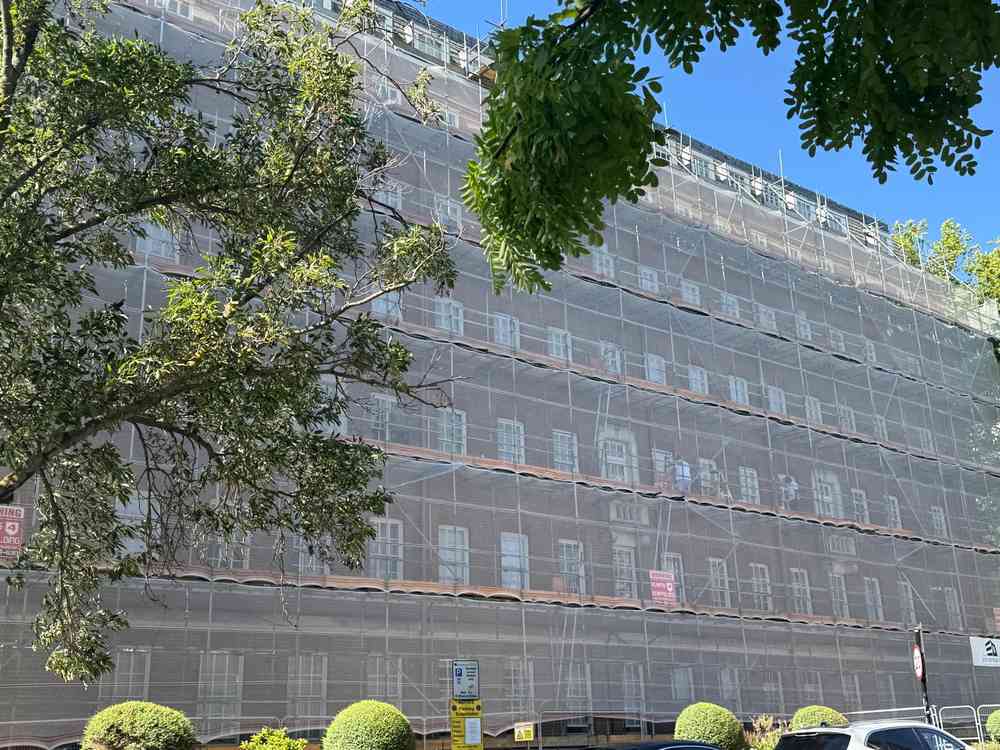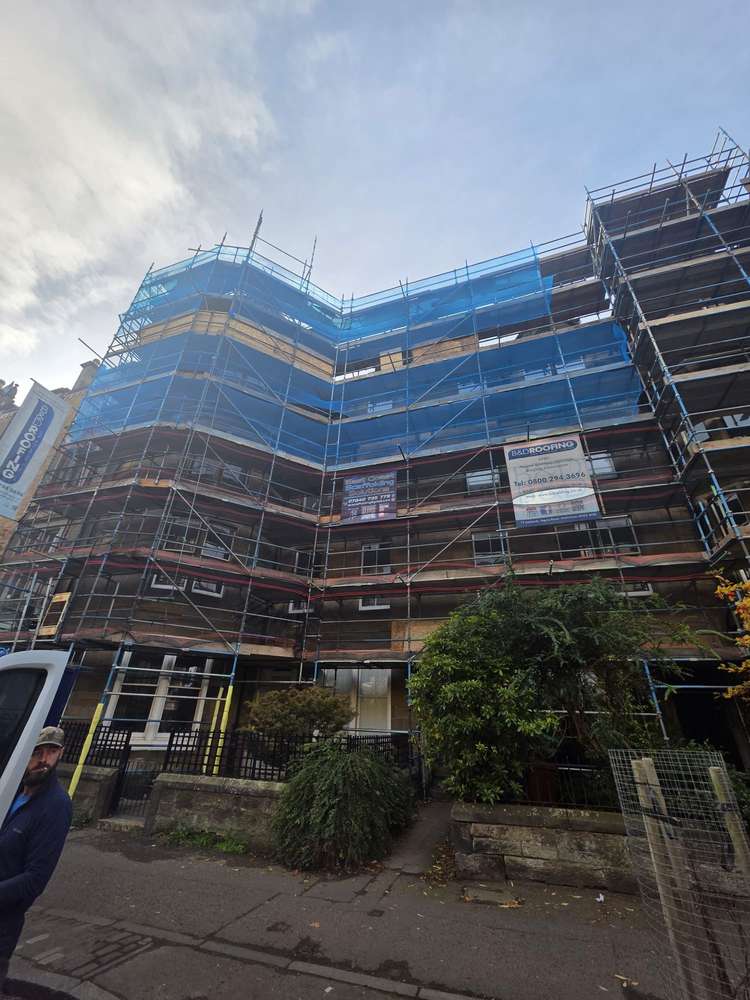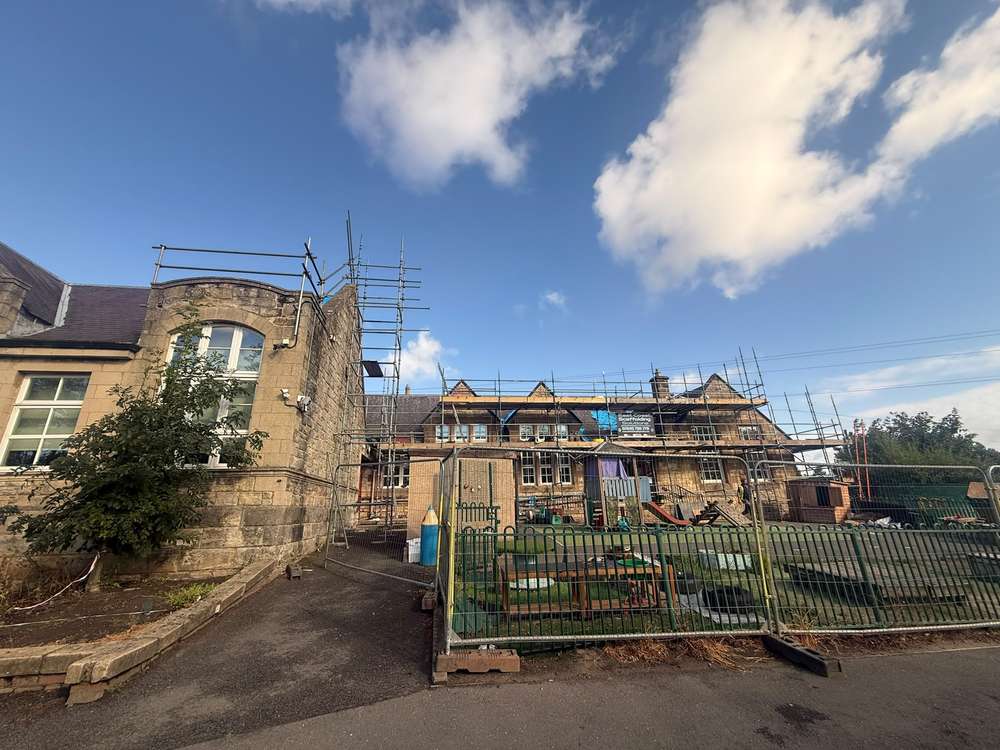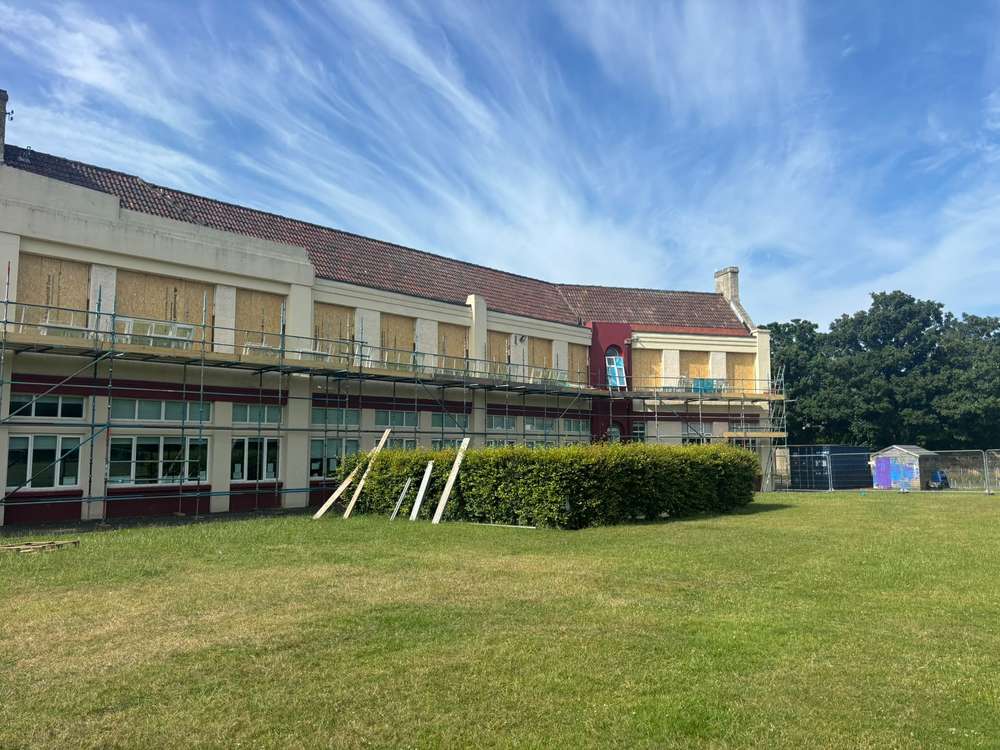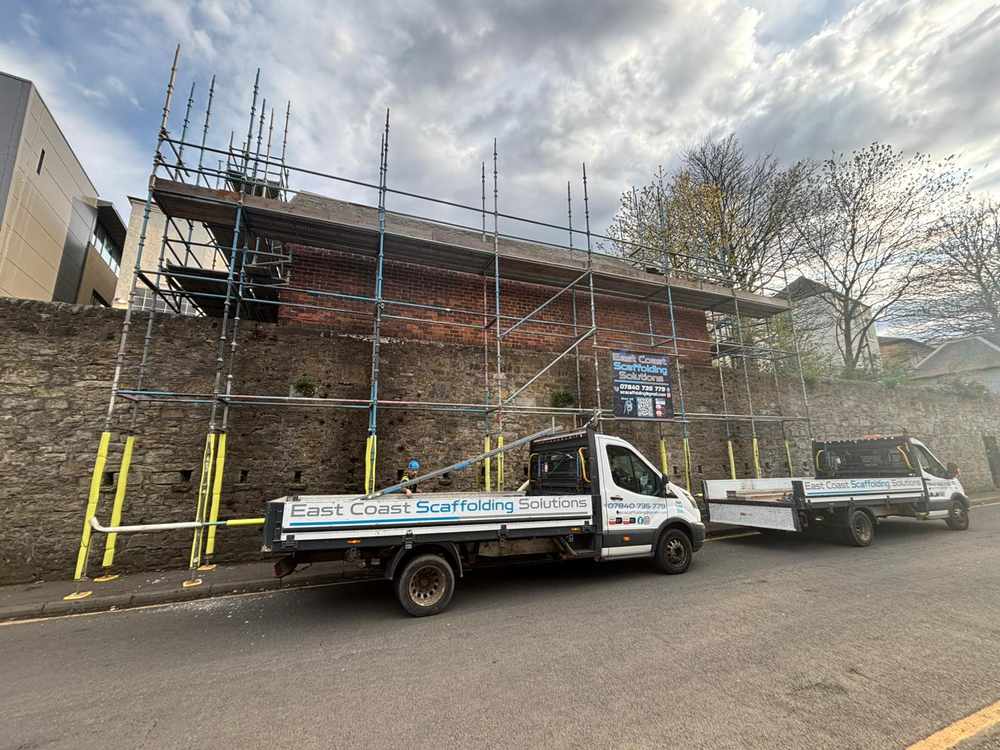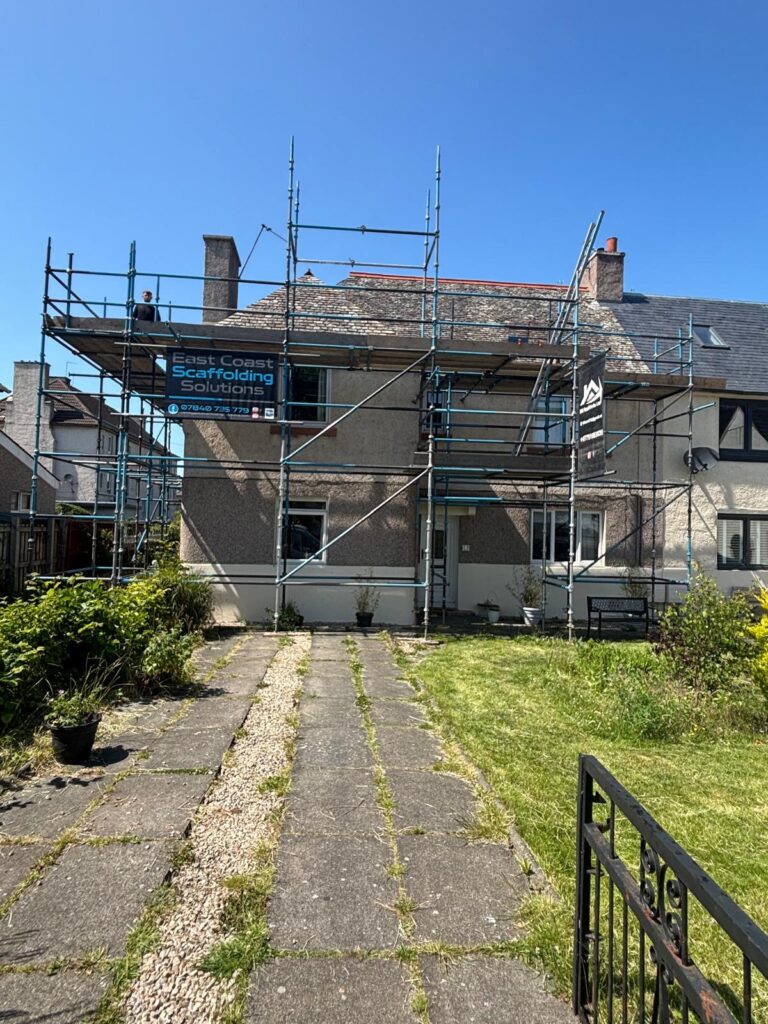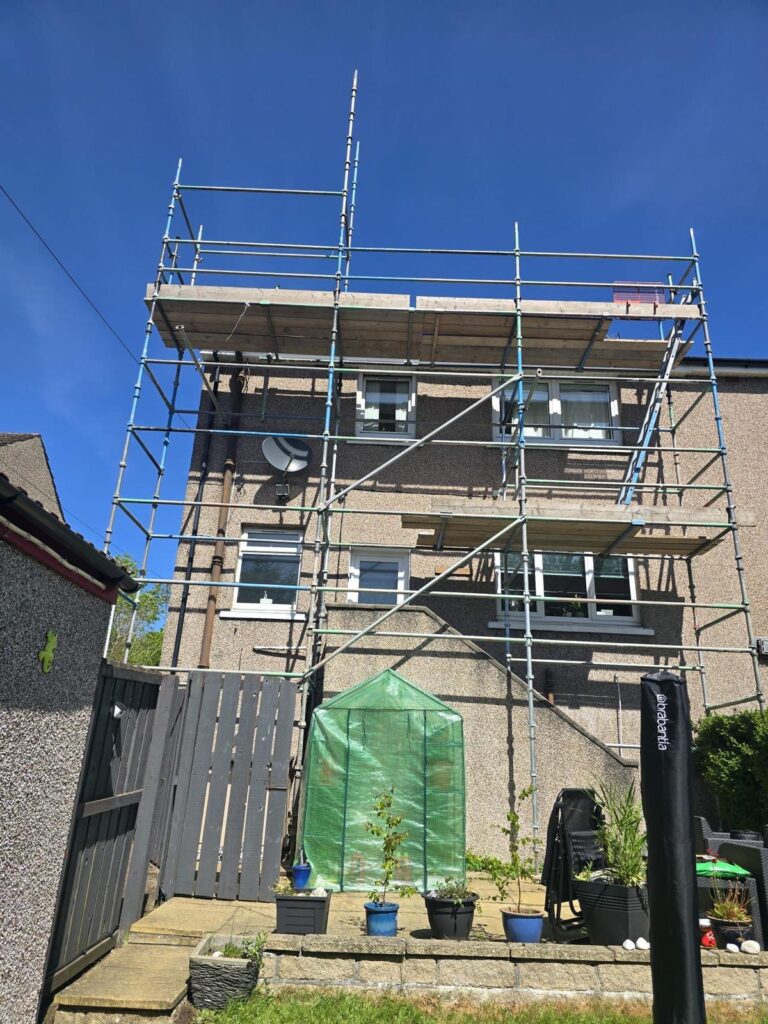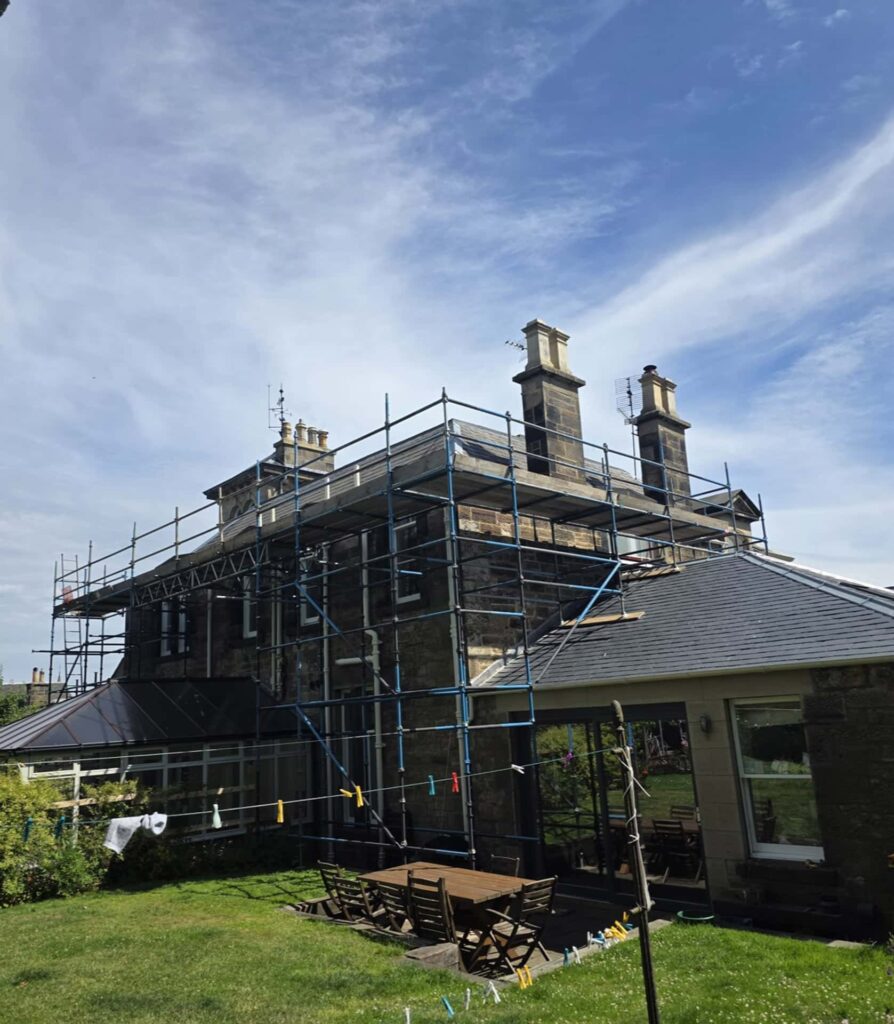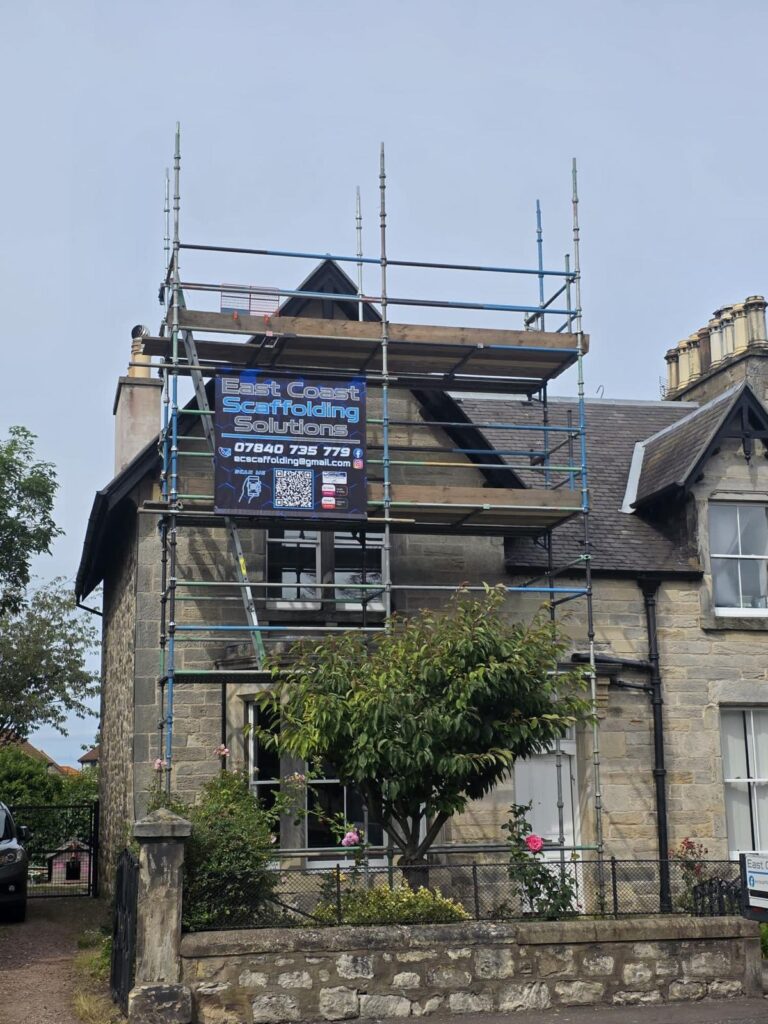
Scaffolding can remain in place for as long as it is genuinely required, provided it stays safe, receives the necessary inspections and complies with any permit conditions. There is no single UK rule stating that scaffolding must be removed after a fixed number of days.
Some scaffolds are needed for less than a week, while others remain around a building for several months. The appropriate duration depends on the work being completed, the condition of the scaffold, its location and whether it occupies a public pavement or road.
Is There a Legal Time Limit for Scaffolding?
The Work at Height Regulations do not set a universal maximum period for which scaffolding may remain erected. Instead, the rules focus on correct design, safe installation, ongoing maintenance and regular inspection.
A scaffold used for construction work should be inspected before it is used for the first time. It must then be inspected at intervals of no more than seven days until it is removed. Additional inspections are required after substantial alterations or conditions that could have affected its safety, such as severe weather.
This means a scaffold can remain in place for an extended project, but it cannot simply be erected and forgotten about. Its condition must continue to be checked by a competent person throughout the hire period.
How Long Is Scaffolding Usually Needed?
The duration of scaffolding hire normally follows the project schedule.
A small roof or chimney repair may only need scaffolding for several days or a couple of weeks. Exterior painting, rendering, repointing or a complete roof replacement may require access for several weeks.
Larger projects can take considerably longer. Scaffolding for an extension, major refurbishment, new development or extensive stone restoration may remain in place for several months.
Typical examples include:
- Chimney repairs: several days to two weeks
- Minor roofing work: one to three weeks
- Roof replacement: two to six weeks
- Painting or rendering: two to six weeks
- Repointing and stonework: several weeks or longer
- Extensions and structural work: several months
- Major commercial refurbishment: potentially many months
These are only general examples. Weather, material availability, access difficulties and delays involving other contractors can all affect the final programme.
Can Scaffolding Stay Up After the Work Is Finished?
Scaffolding should normally be dismantled once the work requiring it has been completed.
Leaving an unused scaffold in place creates unnecessary costs and may introduce avoidable security, access and maintenance concerns. It can also inconvenience residents, neighbours, pedestrians or surrounding businesses.
However, it may be sensible to keep scaffolding in place temporarily when another stage of work is due to begin shortly. For example, a roofing contractor may finish before painters, window installers or stonework specialists are ready to start.
Removing and rebuilding the same scaffold could cost more and cause additional disruption. The decision should be discussed with the scaffolding contractor so that inspections, hire arrangements and any permits continue without interruption.
What Happens When Scaffolding Is on a Pavement?
Different requirements apply when scaffolding occupies or extends over a public road, pavement or other part of the adopted highway.
Permission is usually required from the relevant local authority. The permit will specify the approved location and period of occupation, along with conditions covering lighting, pedestrian access, barriers and public safety.
In Edinburgh, the City of Edinburgh Council issues scaffolding permits in 28-day periods. The first application covers the initial 28 days, with further charges applying for each additional full or partial 28-day period.
The scaffold must not remain beyond the permit period unless the permission has been renewed. Project delays should therefore be identified early so that an extension can be arranged before the existing permit expires.
Permit costs and requirements can change, so the current position should always be checked before arranging work.
Who Is Responsible for Scaffold Inspections?
The scaffold user or hirer is responsible for making sure the required inspections take place.
Inspections must be carried out by someone with the necessary knowledge, training and experience to identify faults or changes that could make the scaffold unsafe. A written inspection report should also be produced and retained as required.
The inspection should consider matters such as:
- The stability of the scaffold
- Foundations and base plates
- Ties and connections
- Working platforms
- Guardrails and toe boards
- Access ladders or stairways
- Sheeting and weather protection
- Damage or unauthorised alterations
HSE guidance confirms that scaffolding from which someone could fall two metres or more must be inspected on completion and at least weekly afterwards. A risk assessment may identify circumstances where more frequent checks are necessary.
What Happens After Strong Winds or Bad Weather?
Scaffolding may require another inspection after high winds, storms, heavy snow or other conditions that could affect its stability.
This is particularly important for scaffolding fitted with sheeting, netting or temporary roof coverings. These additions can increase the effect of wind on the structure and must be included in the scaffold design and inspection process.
Work should not continue until the scaffold has been checked when there is reason to believe its safety may have been affected. HSE guidance specifically requires further inspections following circumstances that could jeopardise the installation.
This consideration is especially relevant for exposed and coastal locations across Edinburgh and East Lothian, where weather conditions can change quickly.
Can You Extend a Scaffolding Hire Period?
In most cases, scaffolding hire can be extended when a project takes longer than expected.
The scaffolding company should be contacted before the agreed removal date. This allows additional hire charges, inspections and collection arrangements to be confirmed.
Where a council permit is involved, the permit may also need to be extended. The scaffold should not remain on a pavement or road after the approved date without the necessary permission.
It is better to raise potential delays as soon as possible rather than waiting until the scaffold is due to be dismantled.
Why Might a Project Take Longer Than Planned?
Building projects do not always follow their original schedule. Common reasons for scaffolding remaining in place longer include:
- Poor weather
- Delayed materials
- Additional repairs being discovered
- Changes to the planned work
- Contractor availability
- Problems with the roof or structure
- Delays obtaining approvals
- Several trades using the same scaffold
- Specialist work taking longer than expected
Discovering damaged stonework, rotten roof timbers or unstable chimney masonry can significantly change the scope of a project. Keeping the existing scaffold in place may be safer and more economical than dismantling it before the additional work is completed.
Can Scaffolding Be Left Unused?
An unused scaffold must still be managed safely.
Weekly inspection requirements continue while the scaffold remains available for construction work. Access should also be controlled to reduce the risk of children, trespassers or other unauthorised people climbing it.
HSE advises that access routes may need to be secured using measures such as perimeter fencing, local barriers, ladder removal or suitable ladder guards.
The customer should not remove boards, reposition ladders, loosen fittings or make any other changes to the scaffold. Alterations should only be completed by the scaffolding contractor or another authorised and competent scaffolder.
Does Leaving Scaffolding Up Cost More?
Most scaffolding quotations include an agreed initial hire period. Additional weekly or monthly hire charges may apply when the scaffold remains in place beyond that period.
Further council permit charges may also apply when the structure occupies a public pavement or road.
The quotation should explain:
- The included hire duration
- Additional hire charges
- Inspection arrangements
- Permit responsibilities
- The process for extending the hire
- Notice needed before dismantling
Discussing the likely project schedule before erection helps the scaffolding contractor provide an appropriate quotation and avoid unexpected extension costs.
When Should Scaffolding Be Removed?
Scaffolding should be dismantled when the work is complete, no further trades require access and any final checks have taken place.
It may also need to be removed if:
- The permit expires and cannot be renewed
- The scaffold becomes unsafe
- The building work is cancelled
- The structure is no longer required
- It causes an access issue that cannot be managed
- The agreed hire period ends without an extension
Scaffold dismantling should only be undertaken by trained and competent professionals. Attempting to remove boards, tubes or fittings without the correct knowledge can place workers, occupants and members of the public at serious risk.
Planning the Right Hire Period
There is no single answer that suits every scaffolding project. A straightforward residential repair may only need access for a short period, while major roofing, refurbishment or development work can require scaffolding for months.
The key is to plan a realistic hire period, maintain the required inspections and communicate quickly when the building programme changes.
East Coast Scaffolding Solutions Ltd supplies carefully planned scaffolding for domestic and commercial projects throughout Edinburgh and the surrounding areas. Contact our team to discuss your project, arrange a site assessment and request a free scaffolding quotation.